

16
TM 5-3805-291-23-2
REFRIGERANT HOSES, LINES, VALVES, FLANGES, AND FITTINGS REPLACEMENT
THIS WORK PACKAGE COVERS
Removal, Installation
INITIAL SETUP
Maintenance Level
Personnel Required
MOS 52C, Utilities Equipment Repairer
Direct Support
Equipment Conditions
Tools and Special Tools
Discharge AC system (WP 0222 00)
Tool kit, general mechanic's, automotive (Item 90,
Hoses removed from heater core (WP 0220 00)
Shop equipment, automotive maintenance and
Hoses removed from compressor (WP 0221 00)
repair: field maintenance, basic, less power (Item
Hoses removed from evaporator (WP 0227 00)
68, WP 0232 00)
Tube removed from inline dryer (WP 0224 00)
Materials/Parts
Tube removed from accumulator (WP 0225 00)
Cap set, protective (Item 6, WP 0233 00)
Hoses removed from condenser (WP 0226 00)
Oil, lubricating, refrigerant compressor: Synthetic
Steering frame lock connected (TM 5-3805-291-
Ester (Item 30, WP 0233 00)
10)
Rag, wiping (Item 35, WP 0233 00)
Drawings Required
Tag, marker (Item 43, WP 0233 00)
TM 5-3805-291-23P, Figure 174
Tetrafluoroethane, technical (Refrigerant, R-134a)
(Item 46, WP 0233 00)
Estimated Time to Complete Task
O-ring (8)
6.0 hr
REMOVAL
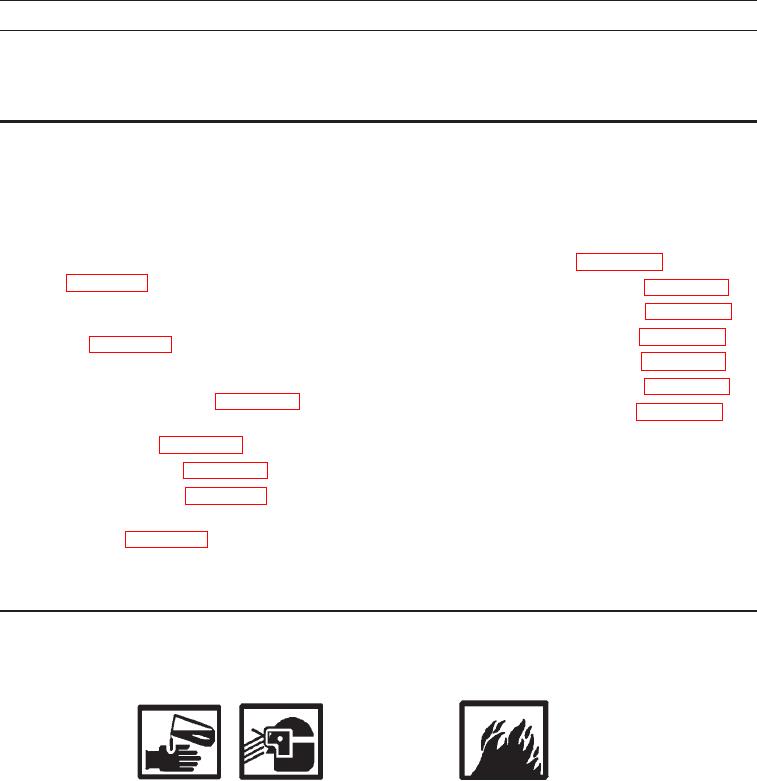
WARN I N G
Take care to prevent refrigerant from touching your skin or eyes. Liquid refrigerant, when exposed to
air, quickly evaporates and will freeze skin or eye tissue. Use protective gloves and goggles. Serious
injury or blindness may result if you come in contact with liquid refrigerant.
Refrigerant R-134a air conditioning systems should not be pressure tested or leak tested with com-
pressed air. Combustible mixtures of air and R-134a may form, resulting in a fire or explosion, which
could cause injury or death to personnel.
DO NOT work in an area where refrigerant may contact an open flame or burning material such as a
cigarette. When refrigerant contacts extreme heat, refrigerant breaks down into poisonous phosgene
gas which, if breathed, causes severe respiratory irritation. DO NOT breathe fumes from an open
flame leak detector.